If you’re an existing homeowner, you most likely have a good understanding of what a foreclosure is, and it’s nothing you want to be involved in, right? Absolutely!
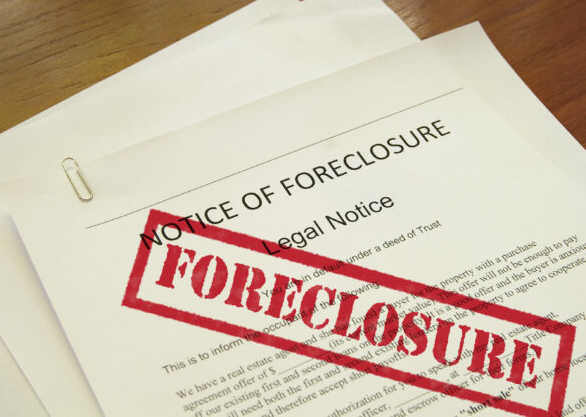
For those who don’t know, in a nutshell, a foreclosure is a legal process in which a lender, usually a bank, takes possession of a property from a borrower who has failed to keep up with mortgage payments. When a homeowner can’t make the agreed-upon payments on their mortgage, the lender can begin the foreclosure process to recover the outstanding loan balance by selling the property.
Consequences of foreclosure include (from Bankrate.com):
- Losing your home: You’ll need to find a new place to live with a foreclosure on your record. This won’t just have a financial impact but an emotional one as well.
- Damage to your credit: A foreclosure stays on your credit report for seven years.
- Losing your property and equity: Not only will you lose your place to live, but you’ll also lose the money and effort you put into it. This can have far-reaching impacts on your overall wealth.
- Owing money: Depending on your state’s laws, you may owe money if your home sells at the foreclosure auction for less than you owe. The amount owed is called a “deficiency.” If you can’t pay, you may be sued, face wage garnishment and more.
During the 2008-2009 Global Financial Crisis, foreclosures spiked wildly. Since then, the foreclosure rate has come down substantially and has remained low during the Covid pandemic (due to a government mandated foreclosure moratorium) and post-Covid, as low interest rates and increasing home values helped to lesson the financial burden for homeowners. Currently we trending below pre-pandemic times, and that’s great. 👇

It would be awesome if that foreclosure rate continued to fall, but unfortunately some homeowners are finding it difficult to make ends meet in this current high-inflation environment. In fact, according to a recent CBS MoneyWatch article, more than 18 million Americans are living in homes that stretch their budgets far beyond what’s considered financially healthy.
If you find yourself in a potential foreclosure situation, here are some steps to consider. Keep in mind, everyone’s situation is unique, so please use the following as a general guide.
1. Contact Your Lender Immediately
Negotiate Payment Plans: If you’re struggling to make payments, reach out to your lender as soon as possible.
Lenders may offer options such as:
Forbearance: Temporarily reducing or pausing mortgage payments.
Loan Modification: Changing the terms of your loan to make payments more affordable (e.g., extending the loan term or lowering the interest rate).
2. Refinance the Loan
Refinancing can allow you to take advantage of lower interest rates or better loan terms, reducing your monthly payments. If your home has appreciated in value, you might also be able to access equity to cover other debts.
3. Explore Government Assistance Programs
Many federal, state, and local programs offer help to homeowners facing foreclosure. Examples include:
FHA Loan Forbearance: For homeowners with FHA loans.
Homeowner Assistance Fund (HAF): Helps struggling homeowners impacted by the COVID-19 pandemic.
4. Sell the Property
If maintaining the mortgage is not possible, selling your home before foreclosure can help you pay off the loan and avoid the negative consequences of foreclosure. In a strong housing market, this can often be a good option.
5. Short Sale
In a short sale, the lender agrees to let you sell the home for less than the mortgage balance. This is typically used if your home’s value has dropped and you owe more than it’s worth. Though it still impacts your credit, it’s less damaging than a foreclosure.
6. Deed in Lieu of Foreclosure
This option allows you to voluntarily transfer ownership of your home to the lender in exchange for being released from the mortgage obligation. It still affects your credit but is less harmful than a foreclosure.
7. Prioritize Mortgage Payments
If you’re facing financial difficulty, prioritize paying your mortgage over other debts. Missing mortgage payments can lead to foreclosure more quickly than falling behind on unsecured debts like credit cards.
8. Consider Bankruptcy
Filing for Chapter 13 bankruptcy can temporarily stop foreclosure proceedings and allow you to reorganize your debts, giving you time to catch up on missed payments. This should be considered a last resort, as it has significant long-term credit consequences.
9. Cut Expenses
Look for ways to reduce discretionary spending, sell unnecessary assets, or find temporary additional sources of income to cover mortgage payments. Downsizing or adjusting your lifestyle can help free up funds to stay current on your mortgage.
10. Seek Housing Counseling
HUD-approved housing counselors can offer free or low-cost guidance on managing finances, exploring foreclosure alternatives, and navigating mortgage issues. They can also help you work with your lender to find solutions.
Being proactive and exploring the above options early can make a significant difference in avoiding foreclosure and preserving your financial future. I know this is a sensitive subject, but I’m happy to discuss in more detail at your convenience.
HELPFUL LINKS:
U.S. Department of Housing and Urban Development