There’s a common misconception out there that a down payment is all a borrower needs in order to finance a home purchase. ⛔ Unfortunately, it’s not that easy. Before making the decision to buy, it’s important to plan for ALL the costs you’ll be responsible for, including what’s called “closing costs.”
So what are closing costs? They are the various fees and expenses that buyers and sellers pay when finalizing a real estate transaction. These costs are typically incurred at the closing of the sale, which is when the title of the property is transferred from the seller to the buyer. For the purposes of this article, let’s focus on the buyer’s closing costs.
Common closing costs include:
✔ Loan Origination Fees: Charges by the lender for processing and underwriting the loan application.
✔ Appraisal Fees: The cost of having the home appraised to determine its market value.
✔ Title Fees & Insurance: The title company acts as the settlement agent and provides protection for the buyer against potential disputes over property ownership.
✔ Attorney Fees: Payment for legal services provided during the homebuying process.
✔ Escrow Fees/Funding: Charges for holding funds for taxes and/or Insurance. Typically there’s at least two months of prepaid Taxes & Insurance to initially fund the escrow account.
✔ Recording Fees: Fees for recording the deed and mortgage with the local government.
✔ Prepaid Costs: Prepaid expenses like property taxes, homeowners insurance, and interest.
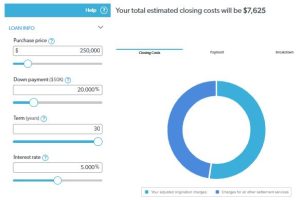
You can expect to allocate between 2%-5% of the purchase price towards closing costs. Exactly how much depends on the price and location of the home. So how can you prepare ahead of time? 👉 Our friends at Freddie Mac have a handy online closing cost calculator that can help you estimate these important fees.
Click the image below 👇 or HERE to access the online tool.